
 EN
EN
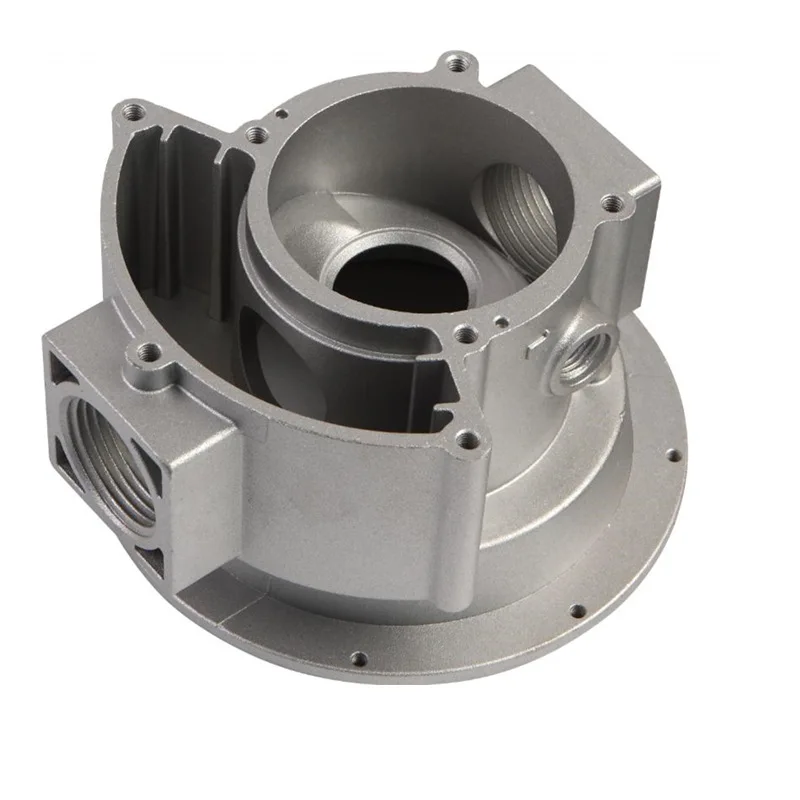
Các chi tiết đúc thép không gỉ chính xác đóng vai trò then chốt trong nhiều ngành công nghiệp như ô tô, hàng không vũ trụ và cơ khí. Rodney cho biết, hàng trăm chi tiết đúc như vậy được rót vào khuôn và tạo thành các tấm, bao quanh phần đầu. Tuy nhiên, đôi khi các sự cố có thể xảy ra trong quá trình đúc. Những yếu tố cần xem xét như vậy có thể dẫn đến các khuyết tật làm ảnh hưởng đến chất lượng và độ toàn vẹn của sản phẩm cuối cùng. Chúng tôi chuyên sản xuất các chi tiết đúc thép không gỉ chất lượng cao; việc nhận thức rõ những khuyết tật phổ biến này giúp chúng tôi cải tiến quy trình sản xuất, từ đó mang lại kết quả tốt hơn cho khách hàng.
Những khuyết tật nào thường xuất hiện trên các sản phẩm đúc thép không gỉ độ chính xác cao?
Các khuyết tật trong quá trình đúc thép không gỉ được phân thành bốn loại. Một trong những vấn đề phổ biến nhất là hiện tượng rỗ khí. Hiện tượng này xảy ra khi các túi khí nhỏ bị giữ lại trong kim loại trong quá trình làm nguội. Những bọt khí này tạo thành các điểm yếu, khiến sản phẩm đúc không đạt được độ bền mong muốn. Ngoài ra, còn có hiện tượng co ngót xảy ra khi sáp trong khuôn rỗng đông đặc hoặc khi kim loại bắt đầu đông đặc và làm nguội. Hiện tượng này có thể dẫn đến nứt hoặc tạo ra các lỗ rỗng trong sản phẩm đúc. Sai lệch vị trí (misfit) là một vấn đề khác, trong đó các chi tiết đúc không khớp nhau một cách chính xác. Tình trạng này có thể xảy ra nếu khuôn không được lắp ráp đúng cách hoặc kim loại được rót vào khuôn không đều. Cuối cùng, tồn tại một vấn đề rõ ràng được gọi là đÚC theo yêu cầu các khuyết tật bề mặt, liên quan đến những vùng gồ ghề hoặc những phần bị lỗi (bị khuyết tật) trên bề mặt sản phẩm đúc. Cả hai yếu tố này đều có thể ảnh hưởng đến ngoại hình cuối cùng cũng như hiệu năng của sản phẩm. Bất kỳ điều kiện nào nêu trên đều có thể gây ra khuyết tật trên sản phẩm đúc hoàn chỉnh; do đó, việc nhận diện và khắc phục kịp thời những vấn đề này là rất quan trọng.
Xác định các khuyết tật phổ biến và giải pháp đối với các bộ phận đúc bằng thép không gỉ
Việc kiểm tra các bộ phận đúc bằng thép không gỉ đòi hỏi sự kiểm soát kỹ lưỡng để phát hiện mọi khuyết tật. Các khuyết tật bề mặt như những vùng thô ráp hoặc đổi màu có thể được phát hiện thông qua kiểm tra bằng mắt. Đối với những vấn đề phức tạp hơn như độ xốp hoặc co ngót, có thể cần đến các công nghệ tiên tiến hơn. Các khuyết tật ẩn có thể được phát hiện bằng phương pháp chụp X-quang hoặc kiểm tra siêu âm. Nếu phát hiện khuyết tật, cần xử lý ngay lập tức. Độ xốp có thể được cải thiện bằng cách điều chỉnh nhiệt độ rót hoặc sử dụng vật liệu đúc chất lượng cao hơn. Trong trường hợp co ngót, việc áp dụng tốc độ làm nguội và quy trình làm nguội phù hợp sẽ giúp giảm thiểu khuyết tật này. Hiện tượng lệch khuôn thường có thể khắc phục được nhờ thiết kế khuôn tốt hơn và thiết lập quá trình đúc chính xác hơn. Các khuyết tật trên bề mặt có thể được giải quyết bằng các công đoạn gia công hoàn thiện như đánh bóng hoặc mài. Tại TOHUAS, chúng tôi kiên định quan niệm rằng phòng ngừa là phương pháp hiệu quả nhất. Việc đào tạo nhân viên để họ biết cách nhận diện sớm các lỗi này, cùng với đầu tư vào vật liệu chất lượng cao, cũng góp phần đáng kể vào việc giảm thiểu khả năng xuất hiện khuyết tật. Khi xem xét đầy đủ các yếu tố nêu trên, chúng ta sẽ đảm bảo được rằng các sản phẩm đúc bằng thép không gỉ luôn đạt chất lượng và độ tin cậy cao nhất.
Những khuyết tật đúc phổ biến trên sản phẩm thép không gỉ là gì?
Khi sản xuất các mặt hàng bằng thép không gỉ, người ta dễ mắc phải nhiều sai sót dẫn đến các khiếm khuyết. Những khuyết tật này có thể khiến sản phẩm kém chất lượng hoặc không đáp ứng được yêu cầu về hiệu năng. TOHUAS áp dụng chính sách 'phòng bệnh hơn chữa bệnh'. Để ngăn ngừa khuyết tật, một trong những biện pháp là cần chú ý kỹ lưỡng đến vật liệu đang sử dụng. Việc lựa chọn đúng loại thép không gỉ phù hợp là yếu tố quan trọng. Các tạp chất vượt mức cho phép trong thép hoặc sắt kim loại không tinh khiết sẽ gây ra vấn đề trong quá trình đúc. Việc điều chỉnh nhiệt độ cũng cần được thực hiện một cách cẩn trọng. Thép không gỉ cần được gia nhiệt để làm nóng chảy. Nếu nhiệt độ quá cao hoặc quá thấp, những sai lệch này cũng sẽ ảnh hưởng đến sản phẩm cuối cùng, gây ra các vết bong bóng hoặc nứt.
Thiết kế khuôn tốt cũng là một yếu tố rất quan trọng. Kim loại lỏng được rót vào khuôn. Thiết kế khuôn kém sẽ dẫn đến hiện tượng làm nguội không đồng đều của khuôn, từ đó gây ra các khuyết tật. Khi kiểm tra các khuôn tại TOHUAS, chúng tôi đánh giá xem chúng có được lập kế hoạch một cách hợp lý hay không. Đồng thời, chúng tôi tiến hành rửa sạch khuôn và rửa trước khi sử dụng để tránh tình trạng vật liệu dư thừa gây nhiễm bẩn thép nóng chảy. Chúng tôi cũng chú ý đến quá trình rót: nếu rót thép nóng quá nhanh, có thể gây ra hiện tượng nhiễu loạn dòng chảy, từ đó dẫn đến hình thành bọt khí. Thay vào đó, chúng tôi giảm dần tốc độ rót và đôi khi rót từng phần để đảm bảo thép không bị kẹt trong khuôn.
Và cuối cùng, các khuyết tật cũng có thể được phát hiện sớm thông qua các kiểm tra chất lượng định kỳ được thực hiện trong quá trình sản xuất. Các sản phẩm đúc có thể được kiểm tra định kỳ và chúng ta có thể khắc phục những vấn đề nhỏ trước khi chúng trở nên nghiêm trọng. Chúng ta cũng cần đào tạo công nhân của mình. Toàn bộ quy trình sản xuất sẽ được cải thiện đáng kể nếu tất cả mọi người đều hiểu cách nhận diện khuyết tật và phòng ngừa sự xuất hiện của chúng. Trọng tâm của TOHUAS là các sản phẩm thép không gỉ chất lượng cao, cấp cao, với trọng tâm chính là phòng ngừa.
Chúng Ta Nên Làm Gì Để Tránh Khuyết Tật Trong Gia Công Chính Xác Đúc thép không gỉ ?
TOHUAS có thể tránh các khuyết tật trong quá trình đúc thép không gỉ độ chính xác cao theo nhiều cách khác nhau. Phương án phù hợp nhất là áp dụng công nghệ tiên tiến nhất vào các hoạt động sản xuất của chúng tôi. Ví dụ, chúng tôi đang sử dụng thiết kế hỗ trợ bằng máy tính (CAD) để tạo ra khuôn chính xác. Nhờ công nghệ máy tính này, chúng tôi có thể kiểm tra và tối ưu hóa thiết kế khuôn trước khi bắt đầu quy trình đúc thực tế. Việc đảm bảo khuôn được thiết kế tốt đồng nghĩa với việc giảm thiểu tối đa khả năng xuất hiện các khuyết tật.
Yếu tố quan trọng khác là môi trường làm việc và cách chúng ta xử lý nó. Điều này áp dụng cho việc điều chỉnh nhiệt độ và độ ẩm trong môi trường đúc. Nếu yêu cầu quá ẩm, nó có thể ảnh hưởng đến quá trình làm nguội và đông đặc của kim loại. Cần đảm bảo môi trường làm việc sạch sẽ và không có bụi bẩn càng nhiều càng tốt. Bất kỳ thiếu sót nào cũng có thể dẫn đến lỗi ở sản phẩm. Đó là lý do tại TOHUAS có những quy định nghiêm ngặt về vệ sinh mà tất cả mọi người cần tuân thủ.
Ngoài ra, chúng tôi tập trung vào công đoạn rót kim loại đúng cách. Việc rót theo quy trình kiểm soát chặt chẽ giúp giảm thiểu hiện tượng xáo trộn dòng chảy, từ đó hạn chế hình thành các lỗ khí trong phôi đúc. Chúng tôi cũng kiểm soát tốc độ rót kim loại vào khuôn. Nhờ đó, dòng thép nóng chảy được duy trì ổn định và liên tục, đảm bảo điền đầy mọi phần của khuôn.
Cuối cùng, việc đào tạo liên tục và tổ chức các buổi hội thảo cho nhân viên của chúng tôi là điều cần thiết để mọi người đều nắm vững những thực tiễn mới nhất. Một đội ngũ lao động có kiến thức sẽ dễ dàng hơn trong việc dự đoán các vấn đề tiềm ẩn trước khi chúng trở thành khuyết tật. Tại TOHUAS, chúng tôi nhận thức rõ tầm quan trọng của việc đầu tư vào con người cũng như mức độ đầu tư vào công nghệ. Bằng cách kết hợp các quy trình này, chúng tôi có thể giảm thiểu các khuyết điểm trong các sản phẩm đúc thép không gỉ chất lượng cao của mình.
Đâu là cách tốt nhất để giảm thiểu khuyết tật trong các sản phẩm đúc thép không gỉ?
Việc giảm thiểu khuyết tật trong các sản phẩm đúc thép không gỉ là một lĩnh vực trọng tâm tại TOHUAS, và các thực hành tốt nhất mà chúng tôi áp dụng rất đa dạng nhằm đảm bảo đạt được mục tiêu này. Trước hết, chúng tôi lập kế hoạch chi tiết ngay từ giai đoạn chuẩn bị trước khi tiến hành bất kỳ công việc đúc nào. Điều này bao gồm việc lựa chọn cẩn thận các vật liệu phù hợp và nâng cao chất lượng của chúng theo tiêu chuẩn kiểm soát chất lượng nội bộ. Thép không gỉ chất lượng cao giúp loại bỏ phần lớn các vấn đề phổ biến như nứt, gỉ sét, v.v.
Một khuyến nghị khác là chúng ta cần kiểm tra kỹ lưỡng khuôn đúc. Mỗi khuôn đều được kiểm tra kỹ lưỡng trước khi đưa vào sử dụng cũng như sau mỗi lần phát hiện hư hỏng. Việc bảo dưỡng khuôn đúng cách có thể đóng góp rất lớn vào chất lượng sản phẩm hoàn thiện. Ngoài ra, khuôn còn được khử trùng sau mỗi lần sử dụng nhằm ngăn ngừa khả năng nhiễm bẩn — vốn có thể dẫn đến khuyết tật trong các lần đúc tiếp theo.
Việc kiểm soát nhiệt độ cũng rất quan trọng. Trong trường hợp của chúng tôi tại TOHUAS, chúng tôi áp dụng những quy định khá nghiêm ngặt liên quan đến việc kiểm soát nhiệt độ kim loại nóng chảy cũng như điều kiện làm việc. Chúng tôi sử dụng nhiệt kế và các thiết bị tương tự để theo dõi xem mọi việc có đang diễn ra đúng như yêu cầu hay không. Điều này sẽ giúp ngăn ngừa các khuyết tật ở sản phẩm cuối cùng như co ngót hoặc bọt khí.
Chúng tôi cũng đã xây dựng chương trình kiểm soát chất lượng. Chương trình này được xác minh thông qua các bước kiểm tra và giám sát tại các giai đoạn sản xuất khác nhau. Mục tiêu của chúng tôi là phát hiện các khuyết tật ở giai đoạn đầu nhất để đảm bảo rằng chúng được khắc phục trước khi được tích hợp vào sản phẩm cuối cùng. Chúng tôi đào tạo nhân viên luôn cảnh giác trước các vấn đề tiềm ẩn và báo cáo mọi lo ngại phát sinh trong quá trình đúc.
Cuối cùng, chúng tôi luôn mong nhận được phản hồi từ các thuê bao của mình. Việc hiểu rõ hơn về trải nghiệm của họ sẽ giúp chúng tôi cải thiện các hệ thống của mình. Chúng tôi cũng lắng nghe khách hàng tại TOHUAS, và đây chính là lý do vì sao chúng tôi đã phát triển một món quà ý nghĩa nhằm hỗ trợ các tổ chức trên toàn thế giới. Bằng cách tuân thủ những thực hành tốt nhất này, chúng ta sẽ có thể đóng góp vào việc xây dựng một nền tảng xuất sắc đúc áp lực thép không gỉ không có khiếm khuyết.
Mục lục
- Những khuyết tật nào thường xuất hiện trên các sản phẩm đúc thép không gỉ độ chính xác cao?
- Xác định các khuyết tật phổ biến và giải pháp đối với các bộ phận đúc bằng thép không gỉ
- Những khuyết tật đúc phổ biến trên sản phẩm thép không gỉ là gì?
- Chúng Ta Nên Làm Gì Để Tránh Khuyết Tật Trong Gia Công Chính Xác Đúc thép không gỉ ?
- Đâu là cách tốt nhất để giảm thiểu khuyết tật trong các sản phẩm đúc thép không gỉ?