
 EN
EN
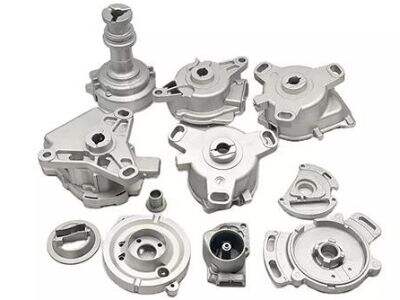
OEM precision stainless steel casting for machine and tools When it comes to creating parts for machines and tools, there are several options including OEM precision stainless steel casting and machined part. There are popular and unpopular points in each method. At TOHUAS, we realize the significance of selecting a suitable approach for you. Let’s examine these two processes more closely.
What are the main benefits of OEM precision stainless steel cast?
OEM precision stainless steel casting has many advantages to help companies save time and money. One, the approach allows shapes to be made that are nearly impossible to produce using conventional machining. Think of it as if you were baking a cake in an outsized mold. You end with the precise shape you’re hoping for, without having to cut or carve anything away further on. That translates to less steps in the production process. It also reduces waste, both because the material is used more efficiently.
Another benefit is castings can be produced in volume. For companies with more demand for identical parts, this is great. If you need thousands of parts, producing them through casting can be faster and more economical than making them one by one on a lathe or milling machine. And stainless steel is sturdy and does not rust, so the finished products are made to last.
The cast phase does need to be well-regulated, though, as the quality of each component must be kept up. At TOHUAS, our casting processes are meticulously administered to ensuring high quality on every part. Our amazing team is capable of dealing with the specifics and prevent problems during production. Though the stainless steel die casting are less expensive, they may not suit situations where you require very accurate or particular surface finishes.
OEM Precision Stainless Steel Castings vs Machined Part, How to make a decision?
If you’re having a difficult time choosing between OEM precision stainless steel castings and machined parts, let these things be your guide. Begin with the part design first. If you will be dealing with many curves or complex shapes, precision investment casting it could be the better route to take. For more basic shapes, or when precise measurements are important, machining may be the way to go.
Second, think about how many parts you’re going to need. Casting may be the solution if you’re ordering a lot of parts and can save money. But if you need just a few or make frequent adjustments, machining may offer more flexibility.
Another consideration is the material. Stainless steel is the most common option for both methods, though other material may be needed for your particular application. Have a conversation with someone who is professionally responsible for meeting your needs. We can walk you through how casting and machining will benefit your project at TOHUAS.
Finally, think about the timeline. If you're in a hurry, machining might be quicker. But if you can be available for castings to be produced, you might score an even better price. I am here to assist you in your decision making, so that you chose the right method for what makes “sense” relative of what driving capability is desired.
Advantages and Disadvantages of OEM Precision Stainless Steel Castings vs. Machined Parts
These are some amazing tips that you can follow in order to get the best wholesale OEM precision stainless steel castings. One of the best places to find them is online. Plenty of businesses, like TOHUAS, maintain websites that provide a large selection of products. You can find OEM castings under certain keywords such as "precision stainless steel castings" in a search engine. This can help you locate quite a few suppliers that are selling these parts. Customer reviews are also helpful. You can check reviews to learn if a company has good products and service. Search for reviews that actually talk about the quality of the castings, and how well they worked for other businesses.
Another method of how to get the best castings is by visiting trade shows or industry events. Multiple business can frequently display at these events. You can chat with the reps, have a close-up look at the castings and ask questions. This can assist in understanding what you need and what’s out there. Networking with other business owners may also provide you leads on where to purchase castings of superior quality. They may share stories and recommend suppliers they’ve worked with. Finally, you could join industry groups or forums on the internet. There are a lot of places that will tell you where to find the products. You can learn from others who have been in your shoes.
There are a few important things to consider when it comes time to find top-notch OEM precision casting stainless-steel parts for your business. Now consider the castings themselves, starting with the materials they’re made from. If you buy stainless steel, make sure it’s good quality; high-grade steel is strong and doesn’t rust. TOHUAS are devoted to utilizing high quality materials to make sure our products would last. Next, check the manufacturing process. A reputable manufacturer will have tight quality control processes to ensure that every part is of a high quality. Inquire how their castings are created. Some more high-tech companies – ones that actually utilize CAD to design their parts as opposed to faking it and ISO 9000-type alphabet salads factory accredited operations – use such things as computerized, fully automated call centers.
Also, have a think about how much you can customise it. Other times, you might need parts that are not only in standard sizes or shapes. A great supplier will assist you in designing custom castings that are exactly what you need. Lastly, consider shipping times and customer service. A reputable provider should be able to provide you with your castings on time, as well as answer any questions or address any issues you may have. A thriving business relationship is built on good communication. When you keep an eye on these elements, you will be able to receive fine quality OEM precision stainless steel castings that can contribute a lot towards your success.
Conclusion
In comparing OEM castings to machined parts, durability and performance are things to consider. OEM Castings are choice casting in all ranges of cast steel. These custom castings can be painted, powdered coated, plated or finished however you like. That makes them durable enough to hold up for a long time even under hard conditions. TOHUAS seeks to establish castings that are capable of being put under pressure or other forms of stress, rendering them useful for numerous applications. Contrastingly, machined parts are built by cutting material away from a solid block of metal. While this process can produce very accurate parts, it can also lead to weaker ones if they aren’t designed correctly.
Further more, castings can be produced in shapes so intricate that machining is impractical or cost prohibitive. That’s because casting can allow more freedom to design, which in turn can lead to parts that are lighter and require less material. And yet machined parts may occasionally be held to higher tolerances, meaning that they fit together (even) more perfectly in certain uses. Ultimately, it is up to your, the Customer, and what you desire for your individual project. When you’re looking for highly-functional, rugged parts that can be cast in complex shapes, Tohuas OEM precision stainless steel castings is a solution. If you absolutely cannot compromise on precision, machined parts may be the solution for you. It all has its positives and negatives, so it’s best to consider your own individual situation.